Rethinking Awareness IV
 How was Odysseus freed from his captivity on Calypso’s island? Keep in mind, Odysseus had fallen into despair, resigning to the fact that he would never again see his cherished homeland of Ithaca. The mighty hero was in a helpless situation. Intervention had to come from outside the island, from Zeus himself. Why did the gods intervene in this situation? Because they heard the cries of Odysseus and decided to once again step into his story.
Be Aware
 Just as the gods noticed the tears of Odysseus, we as adult leaders need to be aware of changes in our students’ behavior. Is a normally happy and upbeat girl now depressed and teary-eyed? Is a boy who is normally talkative suddenly quiet? Is an easygoing student becoming touchy and irritable? Granted, there could be many reasons for such a change, but pay attention to who it is they are spending time with.
 If you are a teacher or school counselor, spend time in the hallways or the cafeteria. You would be amazed at what you can learn from time spent daily in the hallways between classes or in the cafeteria during lunch. If you are a coach, pay attention to what is discussed in the locker room or on the field. There you will find adolescents at their most unvarnished. Try to notice who students sit with during unstructured time. This may sound sneaky, but listen in on their conversations. Remember that this is a war for the hearts of the young people in our care! This will reveal a great deal about what is happening in their lives and give you clues as to how you can intervene in destructive relationships.
Labels: adolescents, behavior, cafeteria, Calypso, coach, counselor, education, high school, Ithaca, Odysseus, students, teacher, Zeus
posted by Jay D'Ambrosio at 11:29 AM
0 comments

 Teens today have been wounded in a variety of ways. They are hurting. Outwardly, things may seem fine, but below the waters, there is a immense private suffering. Look at our society. What is put forth as the solution to our problems and our pain? It's romantic love, isn't it? Watch a few TV shows. The shows aimed at young people portray the main character trying to get a boyfriend or girlfriend. No doubt, it can be entertaining, but it won’t make things right in the world. Commercials communicate the same message. “Wear this deodorant and you’ll have to fight the girls off!” “Try this shampoo and the boys will flock to your side!” There are so many messages in our culture that sear the idea into the minds of adolescents that if you find the right person, it will make everything all right.
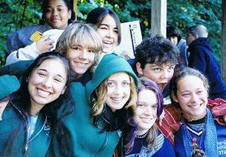 A few years earlier, a youth worker named Siofra had had the opportunity to come in contact with a young lady who was going into her junior year of high school. She was attending a camp known as the Gateway Teen Institute, where Siofra was working as a summer counselor. The girl’s name was Jordan, and Siofra could tell from her actions that she would rather have been invisible. She was quiet, the sort of kid that tends to fly under the radar, the kind that adult leaders often overlook.
 After some time had passed, the counselors met to discuss the students that were participating in the summer camp. When Jordan’s name came up, no one could say anything about her. That immediately sent up a red flag. It was troubling that there seemed to be a nonentity at the camp. The counselors put their heads together and came up with a plan to engage her. What did Jordan’s actions reveal concerning her beliefs about herself? She may have been clinging to the misconception that she had nothing valuable to offer the group. Perhaps she believed that no one would want to listen to her ideas. That was where they as adult leaders needed to intercede.
 There is nothing inherently wrong with peer groups or cliques. They are common to every middle and high school, typically based on friendships and mutual interests. However, they do have the potential to twist and mold an adolescent into their own image. The coming-of-age movie The Breakfast Club (1985) illustrates this state of affairs in an entertaining yet poignant way. The entire movie takes place in a Saturday detention hall in a suburban Chicago high school. Represented is one member of each social group in the school.