Rethinking the Lotus VI
 Innumerable students today are numbing the hurts and pains of their past in a variety of different ways. If you have the opportunity to engage young people on this topic, you can make use of stories and movies. Examples would include the story of the Lotus-Eaters from The Odyssey, The Lion, the Witch, and the Wardrobe (either the book or the movie), The Family Man, Leaving Las Vegas, When a Man Loves a Woman, or The Matrix.
Discussion Questions:
• Which character in the story was turning to something to numb the pain in his or her life?
• What did that character turn to? Did it solve anything, or did it cause more problems?
• What pain do you think the character was trying to numb or forget?
• Do you identify with this character in any way?
• Have you ever tried to numb or forget pain in your life? What did you turn to? Video games?TV? Drugs or alcohol? Busyness? Did it solve anything or cause more problems?
• What pain were you trying to cover up, forget about, or numb by turning to this diversion?
Labels: and the Wardrobe, discussion, hurt, Leaving Las Vegas, Matrix, movies, Odyssey, pain, The Family Man, The Lion, The Witch
posted by Jay D'Ambrosio at 6:55 AM
0 comments

 There is nothing inherently wrong with peer groups or cliques. They are common to every middle and high school, typically based on friendships and mutual interests. However, they do have the potential to twist and mold an adolescent into their own image. The coming-of-age movie The Breakfast Club (1985) illustrates this state of affairs in an entertaining yet poignant way. The entire movie takes place in a Saturday detention hall in a suburban Chicago high school. Represented is one member of each social group in the school.
 What stories have moved you? Did Jack’s ultimate sacrifice for Rose in James Cameron’s movie Titanic bring you to tears? Did you feel something stir in your heart when Braveheart’s William Wallace rallied the warriors of Scotland to fight against the tyranny of the English king? Reconnect with the stories, movies, tales, and fables have lifted you to a higher plane, even if only for a moment. Reread the books. Rent the movies. If you are moved by what you experience, odds are that there is a message there that the young people in your life desperately need to understand.
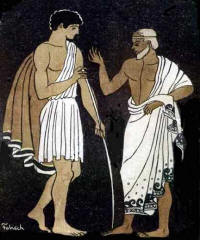 You will never be able to engage adolescents on more than just a surface level if you don’t spend time getting to know them. Often this starts simply by talking about hobbies, sports, movies, music, or whatever they may find of interest. People, in general, enjoy talking about subjects that interest them. Create opportunities for them to share their pursuits and passions in a way that is nonthreatening. A classroom or group setting may suit some students. There are many that would gladly spend hours discussing their zeal for snowboarding, clothes, or video games. However, there is also a multitude that would be reluctant to speak openly about their interests with other students present.