Rethinking Pain-Killers
Man is an animal which, alone among the animals, refuses to be satisfied by the fulfillment of animal desires. Alexander Graham Bell
Bacchus hath drowned more men than Neptune. Thomas Fuller
Dwell not upon thy weariness, thy strength shall be according to the
measure of thy desire. Arab proverb
 Like Odysseus and his men, adolescents are suffering from painful experiences and memories that seem to cause an unrelenting soul-ache. Do they use this pain to drive them on to real answers and true healing? Sadly, no. Most young people (and adults, as well) attempt to numb the pain they are experiencing. We will next examine how Odysseus’s soldiers endeavored to anesthetize themselves against the suffering they had experienced.
The Lotus-Eaters
Odysseus and his men sailed across the seas in a vain attempt to reach the only home they had ever known. Cursed by the god Poseidon and weary from war and adventure, a fierce storm blew their ship to an island off the coast of Africa. This island had the reputation of being the “land where Morpheus plays.” Morpheus was the Greek god of dreams, the son of Hypnos, the god of sleep, and the nephew of Hades, the god of death and the underworld.
Upon setting foot ashore this strange country, Odysseus and his men crawled upon the sandy beach and fell into a deep sleep. When they awoke, they met a group of people known as the Lotophagi, or “lotus-eaters.” The Lotophagi lived in a drug-induced haze that was the result of eating the narcotic lotus fruit. The inhabitants of this land had little care for the worries and concerns of mortal men and were apathetic toward life. The islanders brought armfuls of the lotus fruit for the crew of Odysseus’s ship. Hungry and hurting from their terrible experiences in war and at sea, the sailors followed the example of the islanders and ate the narcotic fruit.
 According to Bernard Evslin’s version of Homer’s Odyssey entitled The Adventures of Ulysses (1969), Morpheus examined the minds of the Greeks as they slept and found anguished memories of warfare and greed. The dream god soothed their sleep with visions of their wives and families and home. As they awoke, they longed to return to the tranquility of their dreams, so they again partook of the lotus fruit and fell into a deeper sleep still.
Sensing that the gods had destined Odysseus for other ends, Morpheus declined to fill the hero’s sleep with intoxicating visions, instead allowing him to dream as he might. Unlike his men, the Greek king experienced frightful nightmares and relived painful memories in a restless and fitful sleep. Rising, he realized that his men had eaten of the lotus fruit and had fallen into a drowsy bliss. Eager to assuage his agony, Odysseus gathered a handful of the enticing fruit and breathed in the inebriating aroma. He knew at once that if he too ate the sweet fruit, his crew would be doomed to spend their days in lethargy and illusion, rather than finally reaching home and family. In an incredible act of the will, Odysseus arose and dragged his entranced men one by one, kicking and screaming, back to the ship and back to reality to continue on their long voyage back to Ithaca.
Bacchus hath drowned more men than Neptune. Thomas Fuller
Dwell not upon thy weariness, thy strength shall be according to the
measure of thy desire. Arab proverb
 Like Odysseus and his men, adolescents are suffering from painful experiences and memories that seem to cause an unrelenting soul-ache. Do they use this pain to drive them on to real answers and true healing? Sadly, no. Most young people (and adults, as well) attempt to numb the pain they are experiencing. We will next examine how Odysseus’s soldiers endeavored to anesthetize themselves against the suffering they had experienced.
The Lotus-Eaters
Odysseus and his men sailed across the seas in a vain attempt to reach the only home they had ever known. Cursed by the god Poseidon and weary from war and adventure, a fierce storm blew their ship to an island off the coast of Africa. This island had the reputation of being the “land where Morpheus plays.” Morpheus was the Greek god of dreams, the son of Hypnos, the god of sleep, and the nephew of Hades, the god of death and the underworld.
Upon setting foot ashore this strange country, Odysseus and his men crawled upon the sandy beach and fell into a deep sleep. When they awoke, they met a group of people known as the Lotophagi, or “lotus-eaters.” The Lotophagi lived in a drug-induced haze that was the result of eating the narcotic lotus fruit. The inhabitants of this land had little care for the worries and concerns of mortal men and were apathetic toward life. The islanders brought armfuls of the lotus fruit for the crew of Odysseus’s ship. Hungry and hurting from their terrible experiences in war and at sea, the sailors followed the example of the islanders and ate the narcotic fruit.
 According to Bernard Evslin’s version of Homer’s Odyssey entitled The Adventures of Ulysses (1969), Morpheus examined the minds of the Greeks as they slept and found anguished memories of warfare and greed. The dream god soothed their sleep with visions of their wives and families and home. As they awoke, they longed to return to the tranquility of their dreams, so they again partook of the lotus fruit and fell into a deeper sleep still.
Sensing that the gods had destined Odysseus for other ends, Morpheus declined to fill the hero’s sleep with intoxicating visions, instead allowing him to dream as he might. Unlike his men, the Greek king experienced frightful nightmares and relived painful memories in a restless and fitful sleep. Rising, he realized that his men had eaten of the lotus fruit and had fallen into a drowsy bliss. Eager to assuage his agony, Odysseus gathered a handful of the enticing fruit and breathed in the inebriating aroma. He knew at once that if he too ate the sweet fruit, his crew would be doomed to spend their days in lethargy and illusion, rather than finally reaching home and family. In an incredible act of the will, Odysseus arose and dragged his entranced men one by one, kicking and screaming, back to the ship and back to reality to continue on their long voyage back to Ithaca.
Labels: anesthesia, anesthetize, Bacchus, dreams, Hades, Hypnos, Ithaca, Lotophagi, Lotus, memories, Morpheus, narcotic, Odysseus, Ulysses
posted by Jay D'Ambrosio at 9:32 PM
0 comments

 How was Odysseus freed from his captivity on Calypso’s island? Keep in mind, Odysseus had fallen into despair, resigning to the fact that he would never again see his cherished homeland of Ithaca. The mighty hero was in a helpless situation. Intervention had to come from outside the island, from Zeus himself. Why did the gods intervene in this situation? Because they heard the cries of Odysseus and decided to once again step into his story.
 Just as the gods noticed the tears of Odysseus, we as adult leaders need to be aware of changes in our students’ behavior. Is a normally happy and upbeat girl now depressed and teary-eyed? Is a boy who is normally talkative suddenly quiet? Is an easygoing student becoming touchy and irritable? Granted, there could be many reasons for such a change, but pay attention to who it is they are spending time with.
 If you are a teacher or school counselor, spend time in the hallways or the cafeteria. You would be amazed at what you can learn from time spent daily in the hallways between classes or in the cafeteria during lunch. If you are a coach, pay attention to what is discussed in the locker room or on the field. There you will find adolescents at their most unvarnished. Try to notice who students sit with during unstructured time. This may sound sneaky, but listen in on their conversations. Remember that this is a war for the hearts of the young people in our care! This will reveal a great deal about what is happening in their lives and give you clues as to how you can intervene in destructive relationships.
 Just as the gods noticed the tears of Odysseus, we as adult leaders need to be aware of changes in our students’ behavior. Is a normally happy and upbeat girl now depressed and teary-eyed? Is a boy who is normally talkative suddenly quiet? Is an easygoing student becoming touchy and irritable? Granted, there could be many reasons for such a change, but pay attention to who it is they are spending time with.
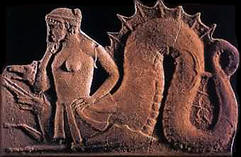 Odysseus, on his long journey home to his wife Penelope and son Telemachus, had survived the terrors of a hideous monster, Scylla, who devoured many of his crew in the shadows of a narrow sea passage. The blind prophet Teiresias had warned the mighty hero of the dangers of this terrible foe, but desiring home more than fearing for his life, Odysseus chanced the terrors of Scylla. He and his men courageously sailed through the narrow, rocky passage where she lurked in the shadows. In a few awful moments, the multiheaded Scylla tore the sailors to pieces with gnashing, razorlike teeth, and one by one devoured the bloody remains. Watching in helpless horror, Odysseus and the few men left rowed with all their might, fleeing the fearsome monster.
 Not many adolescents have had encounters with mythological monsters like Scylla and Charybdis. However, considering the formidable experiences they have faced heretofore, one could contend that they are nearly equivalent to the horrors that confronted Odysseus. While the students may not have stared into the daggerlike teeth of Scylla, there are those who have been abused physically, emotionally, and sexually. None of them have been drowned in the powerful whirling waters of Charybdis, but there are those who have drowned in the overpowering expectations and demands of parents and friends. Many students have encountered monsters just as ghastly as those described in Homer’s epic. Where do they turn for solace and shelter from the storm? Where did Odysseus turn?