Rethinking Manuel
This combination that we have observed in our timeless stories is a key to helping young people today establish a sense of identity. How do we, as adults, become Menelaus, Obi-Wan, Mr. Miyagi, Aslan, or Athena for the students in our lives? It is different in every situation, because every adolescent is unique, but let’s take a look at some examples.
The Story of Manuel
 Manuel, a thirteen-year-old student, moved into the school district from Los Angeles halfway through the year. He was somewhat flippant about school rules, and as the year progressed, he found himself in trouble more often than not. Manuel was in and out of detention and eventually was suspended from school for a period of time. His home life was chaotic. His father had walked out on the family when he was very young, and he and his mother had lived with one relative after another over a period of several years. Furthermore, being Latino in a predominately white, suburban school wasn’t easy.
His math teacher, Mr. Alfhild, noticed that Manuel was really struggling in this new environment. As a teacher, what could he do? How could he intervene in a situation that didn’t develop overnight any more than it could be “solved” overnight? It had to start with Manuel. The boy had no idea of his place in the world. Who was he? He was well acquainted with what the disparaging voices of the enemy had been shouting at him most of his life: “You are a troublemaker! You have no home. You can’t be trusted!” But who was he really? Helping Manuel build a positive sense of identity was the key. Mr. Alfhild had to follow the archetype that the great storytellers had been whispering throughout the millennia.
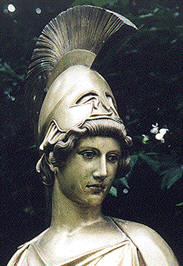 One day they happened to have a few moments to chat—more accurately, Mr. Alfhild, like Athena, arranged for the encounter. When Manuel walked into the math classroom, Mr. Alfhild knew by the look on his face that Manuel thought he had done something wrong. He asked him to sit down. Manuel looked nervous. What happened next was a complete surprise. Mr. Alfhild told Manuel that he had been observing him for quite a while now and had noticed that he possessed many good qualities. Manuel appeared somewhat shocked that Mr. Alfhild had not brought him in to yell at him or confront him about this problem or that. Instead, Mr. Alfhild had asked Manuel to meet so that he could pay him a compliment!
 It is so important that we look for the positive things in a young person’s life. If we search for the negative, we are sure to find it. Isn’t that true about your own life as well? This can really be a challenge! We are so conditioned to seek the negative that we can completely overlook the positive in other people. Students especially need to hear us affirm the good in their lives. It is important to look beyond what a young person is right now, at this present moment, and instead see what they could become. The children look up to us and respect what we as adult leaders have to say (despite messages they may convey to the contrary). We carry an authority that comes with our position. Use it wisely!
After reinforcing Manuel’s good qualities and the potential Mr. Alfhild saw in him, he thought about the second piece to the mythical model, bequeathing a gift. What could a teacher give to him? Well, let’s see. Menelaus gave Telemachus a silver bowl, crafted by the gods themselves. No . . . what would Manuel do with a silver bowl? Obi-Wan entrusted Luke with his father’s light saber. Seriously, what would a thirteen-year-old boy do with a Jedi’s weapon? Probably have the time of his life! Mr. Miyagi bequeathed his classic yellow car to Daniel LaRusso. But Manuel was thirteen, not sixteen, and what teacher can just go around giving away cars? No, this had to be something different. What Mr. Alfhild ended up giving Manuel was a job. Manuel would now be Mr. Alfhild’s official office runner. If he had some important memo to send to the office, he would carefully seal it in an envelope and hand it over to Manuel for safe delivery.
 To an adult, this duty might have seemed like a chore. However, looking at this new role through the eyes of a middle school student is a completely different experience. What had Mr. Alfhild really given to Manuel? On the surface, a job, but remember that the gift is always a concrete demonstration of something deeper. He was giving him his trust, something no one had offered him before. Mr. Alfhild was expressing with that gift the idea that Manuel was trustworthy. He was good. He was now an “office runner,” someone to be trusted, not just a troublemaker. He had a position and a title. As Manuel began to live up to the gift that was given to him, Mr. Alfhild could tell that there were subtle changes in his demeanor. He became friendlier with other teachers in the building, and because of that, other teachers began treating him in the same manner. We teach people how to treat us, and that’s just what Manuel began to learn. At the end of the year, Mr. Alfhild gave him a certificate as an award for being an excellent office runner. It was well deserved!
The Story of Manuel
Manuel, a thirteen-year-old student, moved into the school district from Los Angeles halfway through the year. He was somewhat flippant about school rules, and as the year progressed, he found himself in trouble more often than not. Manuel was in and out of detention and eventually was suspended from school for a period of time. His home life was chaotic. His father had walked out on the family when he was very young, and he and his mother had lived with one relative after another over a period of several years. Furthermore, being Latino in a predominately white, suburban school wasn’t easy.His math teacher, Mr. Alfhild, noticed that Manuel was really struggling in this new environment. As a teacher, what could he do? How could he intervene in a situation that didn’t develop overnight any more than it could be “solved” overnight? It had to start with Manuel. The boy had no idea of his place in the world. Who was he? He was well acquainted with what the disparaging voices of the enemy had been shouting at him most of his life: “You are a troublemaker! You have no home. You can’t be trusted!” But who was he really? Helping Manuel build a positive sense of identity was the key. Mr. Alfhild had to follow the archetype that the great storytellers had been whispering throughout the millennia.
One day they happened to have a few moments to chat—more accurately, Mr. Alfhild, like Athena, arranged for the encounter. When Manuel walked into the math classroom, Mr. Alfhild knew by the look on his face that Manuel thought he had done something wrong. He asked him to sit down. Manuel looked nervous. What happened next was a complete surprise. Mr. Alfhild told Manuel that he had been observing him for quite a while now and had noticed that he possessed many good qualities. Manuel appeared somewhat shocked that Mr. Alfhild had not brought him in to yell at him or confront him about this problem or that. Instead, Mr. Alfhild had asked Manuel to meet so that he could pay him a compliment!It is so important that we look for the positive things in a young person’s life. If we search for the negative, we are sure to find it. Isn’t that true about your own life as well? This can really be a challenge! We are so conditioned to seek the negative that we can completely overlook the positive in other people. Students especially need to hear us affirm the good in their lives. It is important to look beyond what a young person is right now, at this present moment, and instead see what they could become. The children look up to us and respect what we as adult leaders have to say (despite messages they may convey to the contrary). We carry an authority that comes with our position. Use it wisely!After reinforcing Manuel’s good qualities and the potential Mr. Alfhild saw in him, he thought about the second piece to the mythical model, bequeathing a gift. What could a teacher give to him? Well, let’s see. Menelaus gave Telemachus a silver bowl, crafted by the gods themselves. No . . . what would Manuel do with a silver bowl? Obi-Wan entrusted Luke with his father’s light saber. Seriously, what would a thirteen-year-old boy do with a Jedi’s weapon? Probably have the time of his life! Mr. Miyagi bequeathed his classic yellow car to Daniel LaRusso. But Manuel was thirteen, not sixteen, and what teacher can just go around giving away cars? No, this had to be something different. What Mr. Alfhild ended up giving Manuel was a job. Manuel would now be Mr. Alfhild’s official office runner. If he had some important memo to send to the office, he would carefully seal it in an envelope and hand it over to Manuel for safe delivery.
To an adult, this duty might have seemed like a chore. However, looking at this new role through the eyes of a middle school student is a completely different experience. What had Mr. Alfhild really given to Manuel? On the surface, a job, but remember that the gift is always a concrete demonstration of something deeper. He was giving him his trust, something no one had offered him before. Mr. Alfhild was expressing with that gift the idea that Manuel was trustworthy. He was good. He was now an “office runner,” someone to be trusted, not just a troublemaker. He had a position and a title. As Manuel began to live up to the gift that was given to him, Mr. Alfhild could tell that there were subtle changes in his demeanor. He became friendlier with other teachers in the building, and because of that, other teachers began treating him in the same manner. We teach people how to treat us, and that’s just what Manuel began to learn. At the end of the year, Mr. Alfhild gave him a certificate as an award for being an excellent office runner. It was well deserved!Labels: affirmation, Alfhild, archetype, Athena, authority, challenge, enemy, Jedi, Latino, Los Angeles, Luke, Manuel, Menelaus, Miyagi, positive, school, storyteller, teacher, trust
posted by Jay D'Ambrosio at 6:42 AM
0 comments

 Menelaus bequeathed a royal silver bowl to Telemachus, endorsing the young prince as the rightful heir of Odysseus; likewise, Obi-Wan gave Luke his father’s light saber, the weapon of the Jedi. What else was he giving Luke through the gift of a powerful weapon? What was the unspoken message? Obi-Wan was letting him know that, as the son of a Jedi, Luke had what it takes to wield such an implement. He was also extending his trust. He trusted that Luke would use the weapon for good and not evil. What did Menelaus really give Telemachus? It was nothing less than a potent symbolic declaration that young man was worthy of royal authority. What powerful statements—and this time without words!
 As adult leaders, we sometimes forget the influence we have over the young lives we encounter. Despite outward appearances and words to the contrary, they look to us for answers. A great deal of the angst we see in teens today reflects a frustration toward the world of adults for not providing any guidance or answers for their deep questions. They wonder if they will ever discover who they are and their place in the world. We are in a unique position to be Obi-Wan to those students for whom we have been given responsibility.
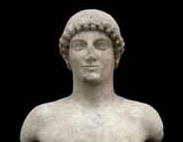 As a parting gift, King Menelaus presented Telemachus with a precious silver bowl, fashioned by the gods themselves. Menelaus informed the prince that another mighty ruler had given him this gift, and that now it was being passed down to Telemachus. This action by Menelaus was very critical to the formation of Telemachus’s identity. Here was an older and wiser individual handing down a precious gift to a younger one. He entrusted Telemachus with something valuable. The unspoken message was that Telemachus was trustworthy. He was capable of keeping valuable treasures. He mattered.
 Upon being granted an audience with Menelaus, Telemachus concealed his true identity as prince of Ithaca, while the king remembered old battles and the fall of Troy. The Spartan monarch revealed the heroism and valor of Odysseus—and what he believed to be the fate of Odysseus, declaring his belief that the clever hero rested at the bottom of Poseidon’s sea. However, Menelaus did not stop there. What he did next proved to be crucial to the heart and soul of the young Telemachus. Menelaus correctly ascertained the identity of this mysterious visitor to his court and acknowledged that he saw a strong resemblance between Telemachus and his father.
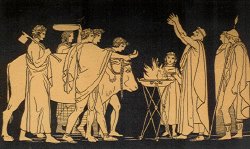 Telemachus bore a heavy burden. His father was rumored to have been lost at sea following the war at Troy, and men from his own town had invaded his home, demanding the hand of his lonely mother in marriage. This young man was the son of a king—and not just any king, mind you, but the legendary Odysseus. Despite being raised as royalty, daily being hailed as “Prince Telemachus,” this young man felt powerless in the face of the older suitors who had aggressively pushed their way into his home.