Rethinking Myth & Story II
 What can story teach us about this dilemma? Through the recent production of three prequel episodes—The Phantom Menace, Attack of the Clones, and Revenge of the Sith—a new generation is discovering the magic and wonder of Star Wars, a movie saga that began in 1977. Let’s take a closer look at that original episode, A New Hope, and mine it for wisdom that might pertain to the matter at hand.
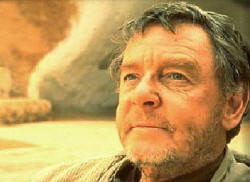
 Luke Skywalker, a boy in his late teens, is living with his Uncle Owen and Aunt Beru on a desert planet known as Tatooine. Here Luke has struggled with his life as a farmer, isolated from the action and excitement he so desperately craves. He secretly fears that he will become like his Uncle Owen, a man who has buried his desires and longings for life and adventure under a pile of duty, obligations, and drudgery.
Owen has settled for something less in life. Most students, if you really get a chance to know them, carry this secret fear with them as well. It is the fear that they will become like their parents—reality as seen through the eyes of an adolescent—and settle for a life of crunching numbers and balancing the checkbook.
Labels: A New Hope, adventure, craving, desperation, drudgery, duty, fear, longings, Luke Skywalker, magic, obligations, secrets, Star Wars, story, Uncle Owen, wisdom, Wonder
posted by Jay D'Ambrosio at 7:39 PM
0 comments

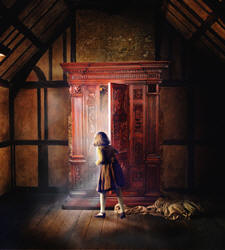
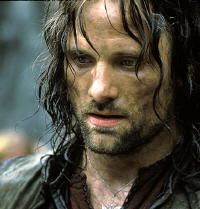 All great stories hinge on the hero’s choice whether to step into adventure or not. Aragorn’s decision to forgo the life of a wandering ranger and embrace the journey set before him makes all the difference in the world to the free peoples of Middle Earth. Lucy’s first step into the wardrobe is the first step toward freedom for the land of Narnia. Marlin’s resolution to search the whole of the ocean for his son Nemo brings healing to a broken relationship and forms the foundations of a new one. Aeneas wills himself to venture from the burning ruins of Troy to found a new and powerful city, Rome. None of these characters see themselves as a central character in their own story. That is revealed only later, as the adventure unfolds. The world desperately needs people who are willing to accept the risk and set out to be difference-makers!
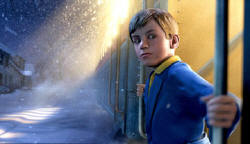 The Polar Express (Van Allsburg 1985) captures this choice that faces the young: to set out or to settle? The hero in the story, a young boy on the verge of adolescence, has awoken one Christmas Eve with a troubling question: Is the magic of Christmas gone? You see, he overheard his parents saying that this Christmas marked “the end of the magic.” Isn’t that a question that we have all asked at one point or another? Where is the magic? Life overwhelms us with schedules, deadlines, and responsibilities. Our hearts crave the magic we encountered when we were young.
 The child who chooses hope will begin to feel the restlessness of a traveler prior to a great adventure. He will begin to understand that maybe the opinions of others are not the final word on who he truly is. We need to prepare students for the moments when they will face these choices. It is crucial that we begin to teach them to see their circumstances through the light of myth and story. We have the opportunity to make them aware of the battle between hope and despair.