Rethinking the Subtle Battle II
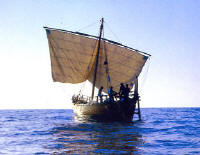 This is the point in the story where the villain of our hearts often fires back with lies and distortions that can make us wonder why we ever hoped for anything better in the first place. Like Telemachus, we too have felt the wounds of our hearts begin to throb. The enemy of the prince’s heart began to whisper, “You’ve heard this all before and paid dearly for it! Your father may have had courage, yes, but look where he is now, at the bottom of the sea. The suitors are too many and too strong for you! Don’t be a fool!”
As we’ve said before, at this moment of conflict, between hope and despair, the adolescent has a crucial choice to make. The easy way, of course, is to choose resignation and deny her place in the world. Many, many people have resigned themselves to less, because of the fear of what they are not. Unfortunately, they have bought into the lies and the pain of their past. Telemachus, however, made the more difficult choice. Even though his initial reaction revealed that he had believed lies about himself, he ultimately chose against despair. He decided to embrace his heritage and his role as prince and future king, by clinging to the hope that what strength and nobility belonged to his father was his as well. He voyaged back to Ithaca with a new sense of his heritage and identity.
Labels: battle, despair, father, heart, hope, King, lies, nobility, prince, strength, subtle, Telemachus, villain
posted by Jay D'Ambrosio at 7:47 AM
0 comments

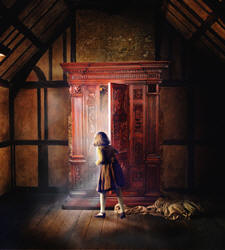 The child who chooses hope will begin to feel the restlessness of a traveler prior to a great adventure. He will begin to understand that maybe the opinions of others are not the final word on who he truly is. We need to prepare students for the moments when they will face these choices. It is crucial that we begin to teach them to see their circumstances through the light of myth and story. We have the opportunity to make them aware of the battle between hope and despair.
 We have the opportunity to show students that life is a journey of mythical proportions. We need to let them know we understand that the hardships they face—even though they might seem trivial to us, with our longer experience—are very important and very real to them. We can show them how to view their challenges and trials as something greater, as smaller skirmishes in the cosmic battle between hope and despair. They long to know that they have an authentic and meaningful place in the story. The stories we loved as a child and that still touch us as adults hold the answers we seek.