Rethinking Gifts IV
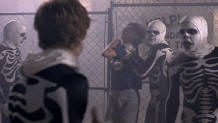
 In the 1984 movie The Karate Kid, Mr. Miyagi repairs Daniel LaRusso’s bicycle after a brutal assault on Daniel by a gang of bullies, letting him know that he matters. He then goes on to teach him the dangerous art of karate, letting him know that he trusts him to use it in a way that will not seek to harm others. The final gift he then presents Daniel blows him away! Mr. Miyagi handed him the keys to a beautiful yellow, classic car on his sixteenth birthday. This demonstrates that the older Miyagi has respect for and trusts the younger LaRusso to handle the responsibility wisely. Miyagi quietly but firmly delivers blows to the enemy who would crush his young pupil's heart.
Labels: assault, Daniel, enemy, gifts, Karate Kid, Miyagi, respect, responsibility, trust
posted by Jay D'Ambrosio at 7:30 AM
0 comments

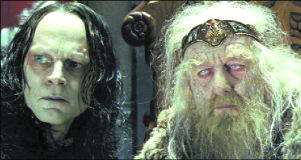 Left to their own devices, students often cannot see the good in themselves or in their families. Sometimes there is a tendency to focus on the negative. Students, when challenged, will often declare what they are not, instead of responding with who they are. Isn’t there a little bit of that in all of us? When a daunting challenge comes our way, do we meet it eagerly, with the anticipation of being able to use our gifts and talents to overcome the obstacle? Or do we start to doubt our abilities and say things like, “I don’t have the strength for this” or “I just can’t do it”? This has probably been the norm since you were young. See how the enemy starts its assault early in a person’s life?
 Adolescents often verbalize those statements that they’ve agreed with, declaring that they are “unlucky” or “dumb.” It would be easy to dismiss those sentiments as nothing more than teen angst, but let’s look at what is really happening on a deeper level. For example, if Danielle is spurned by a boy that she really likes, she might be presented with the lie that she is “unlovable” or “unattractive.” If she, in her mind and heart, agrees with this assessment—however absurd—she will begin to behave as if she were unlovable or unattractive. This behavior in turn will invite others to treat her in the same way. In essence, we teach others how to treat us. When Danielle hears these messages from both herself and others around her, she may be tempted to evaluate other situations in her life through the same discouraging lens.
 happens next? A subtle voice speaking in your mind delivers a disparaging message—a fiery dart aimed right at your heart—suggesting: