Rethinking One's Place in the World
You can never really study people, you can only get to know them.
C. S. Lewis
History is the witness that testifies to the passing of time; it illumines reality, vitalizes memory, provides guidance in daily life and brings us tidings of antiquity.
Cicero
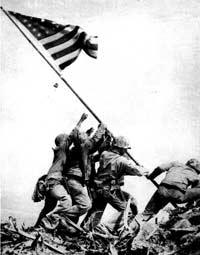 The young people that we work with crave a sense of belonging to something bigger than themselves. Politicians, too, have discovered this longing within their young constituents. In a speech delivered during the 2000 presidential election season, Senator John McCain of Arizona urged young people to remember the sacrifices of the past:
They fought for love, for love of an idea—that America stood for something greater than the sum of our individual interests. . . . Cynicism is suffocating the idealism of many Americans, especially among our young. . . . When we quit seeing ourselves as part of something greater than our self-interest then civic love gives way to the temptations of selfishness, bigotry and hate . . .
This call connected with many young voters, and even those who could not yet vote, and energized the campaign. These young people desperately wanted to be a part of something in which they could believe.
C. S. Lewis
History is the witness that testifies to the passing of time; it illumines reality, vitalizes memory, provides guidance in daily life and brings us tidings of antiquity.
Cicero
The young people that we work with crave a sense of belonging to something bigger than themselves. Politicians, too, have discovered this longing within their young constituents. In a speech delivered during the 2000 presidential election season, Senator John McCain of Arizona urged young people to remember the sacrifices of the past:They fought for love, for love of an idea—that America stood for something greater than the sum of our individual interests. . . . Cynicism is suffocating the idealism of many Americans, especially among our young. . . . When we quit seeing ourselves as part of something greater than our self-interest then civic love gives way to the temptations of selfishness, bigotry and hate . . .
This call connected with many young voters, and even those who could not yet vote, and energized the campaign. These young people desperately wanted to be a part of something in which they could believe.
Labels: believe, belonging, cynicism, John McCain, sacrifice
posted by Jay D'Ambrosio at 1:56 PM
0 comments

 Adolescents often verbalize those statements that they’ve agreed with, declaring that they are “unlucky” or “dumb.” It would be easy to dismiss those sentiments as nothing more than teen angst, but let’s look at what is really happening on a deeper level. For example, if Danielle is spurned by a boy that she really likes, she might be presented with the lie that she is “unlovable” or “unattractive.” If she, in her mind and heart, agrees with this assessment—however absurd—she will begin to behave as if she were unlovable or unattractive. This behavior in turn will invite others to treat her in the same way. In essence, we teach others how to treat us. When Danielle hears these messages from both herself and others around her, she may be tempted to evaluate other situations in her life through the same discouraging lens.
 happens next? A subtle voice speaking in your mind delivers a disparaging message—a fiery dart aimed right at your heart—suggesting: